So There Syndrome: I lost an entire podcast episode and immediately wanted to eat
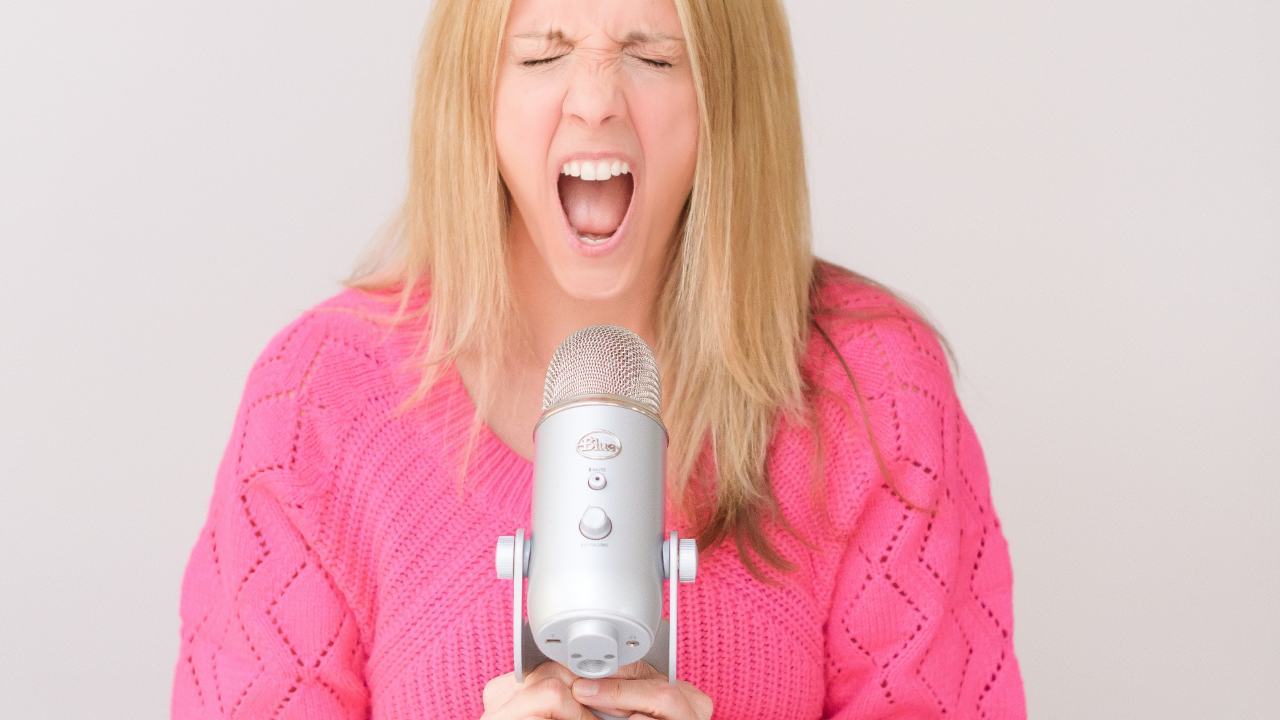
May 13, 2026I just recorded an entire podcast episode and realized, after I had finished, that I never hit record. I know there are worse things that could happen, but I couldn't find
I just wanted to cry, rage, throw something, find someone to blame.
This is where I used to blame the only possible culprit -- myself -- but I'm not in the practice of blaming myself for human accidents anymore, so I didn't have that outlet.
But I needed somewhere to put the energy.
And I heard the little whisper of an old outlet source:
Fine. I’ll just go eat a whole bunch of food. So there.
Which is funny, because… what?
This is what I’m calling the “so there” syndrome, when food becomes a symbolic act of rebellion against someone or something we can’t actually locate.
Even if there was someone to blame, eating in response to frustration does not punish the person who crossed you. It does not reverse mistakes, and it certainly doesn't stick it to the technology gods.
And yet, food becomes the place where anger gets translated when there is nowhere else for it to go.
Emotionally, it feels like a gesture.
Why?
Because food is morally loaded. Eating “too much” is collectively understood as doing something bad, stepping out of line.
So when we feel powerless, angry, or unfairly treated by the universe at large, there can be a strange satisfaction in doing the thing we are supposedly not supposed to do.
Someone has to see how mad I am.
And even though no one is actually there to see it, the symbolism is there. And the nervous system speaks in symbols, not in logic.
But why are we so mad? Surely, other people cope with unfortunate events better than this?
Well... because is it just the lost recording? Or is it the million other places we have swallowed our anger, minimized our resentment, tolerated injustice, stayed quiet, over-accommodated, burned ourselves out, or felt trapped inside circumstances we cannot control without a witness?
Instead of "what's wrong with me", we might ask:
- Where am I not being heard, or not hearing myself?
- How often are my emotions are going unexpressed?
- How many things am I over-adapting to?
- How many micro-breaches am I treating as normal?
- Where do I need to set a limit?
Food can become the place where the body speaks up on behalf of what we aren't making room for.
At some point, we start to understand that the work as more than just about fixing the food, and more about boundaries, emotional honesty, and regulating energy.
That's what I help people do. Because it's not just about the food.
Work With Stef
Stefanie Michele explains “so there syndrome,” a pattern where food becomes a symbolic outlet for anger, frustration, resentment, and powerlessness. This essay explores why binge eating or emotional eating can feel like rebellion, why the nervous system turns to food when emotions have nowhere to go, and how recovery involves boundaries, emotional honesty, and learning to regulate energy rather than only trying to control food.